UK SOBAC supplier · On British farms since 2021

Seen on British farms.
Now on yours.

Roots to 95 cm where they stopped at 35. Potash from index 1 to index 3 with nothing bought. A quarter more humus in two and a half years. Read in the pit, in the lab and on the combine, on working British farms.

30+ years of research 300,000+ ha proven Read in the pit, the lab and on the combine
Living soil, crumbed and rooted
28,000+microbial DNA strains per bag
Regenerative farming that pays

Your soil is an ecosystem. We make it live.

Decades of intensive chemistry have left many soils chemically fed but biologically lifeless. SOBAC’s biological soil inoculants put back the living organisms the soil has lost, so the nutrients already locked in your ground become available again, naturally.

  • Unlocks the minerals already in your soil
  • Builds humus, which holds the water and the nutrients
  • Deeper roots, and a crop that copes better in a dry spell
How it works
Read in the pit

Heavy Warwickshire clay: roots to 95 cm, where the untreated side stops at 35.

Two pits a few metres apart under wheat, April 2025, dug and described with the farmer present. The treated side rooted through three horizons with no compaction to 95 cm.

The untreated profile on heavy Warwickshire clay12 cm brown topsoil ends35 cm last functional roots50 cm ultra compact, no air100 cm grey clay, saturated
Untreated, mineral fertiliser only
35 cmfunctional rooting depth
The treated profile, third season15 cm lumpy, aerated topsoil45 cm horizons mixed, no compaction95 cm rooted throughout, earthworms
Bactériosol, third season
95 cmfunctional rooting depth
  • 95 cm of functional roots against 35, after three seasons
  • 2 to 3 times the earthworms a spade pit on the treated leys, against the farm’s own pasture, in an independent count
  • Above average organic matter for heavy clay on the treated leys, against the AHDB benchmark
  • Double the usual stocking on one of the worst fields on the farm, for over a month

Profile pits, April 2025; Warwickshire Wildlife Trust with Catchment Sensitive Farming, 2024. More pits, on Dorset loam, on the soil regeneration page.

The layer lines are the horizons marked on SOBAC’s soil profile reports of April 2025, drawn on the same photographs with the reports’ own notes.

Read in the lab

A farm’s own soil tests, before and after.

A beef farm on heavy clay has had its fields tested by the same laboratory for years. Two fields were tested before the biological soil inoculant went on and again two and a half years later. One field was tested twice with nothing on it in between. Same farm, same laboratory, same method.

The first treated field

Bactériosol on the field between its two tests, two and a half years apart.

Potash
before
index 1
after
index 3
Organic matter
before
5.6%
after
7.1%
Phosphorus
before
index 0
after
index 0, up 39%

The second treated field

Bactériosol on the field between its two tests, two and a half years apart.

Potash
before
index 1
after
index 3
Organic matter
before
5.5%
after
6.9%
Phosphorus
before
index 0
after
index 0, up 42%

The untreated field

Nothing on the field between its two tests, two years apart: the comparison.

Potash
before
index 1
after
index 1, 5% down
Phosphorus
before
index 1
after
index 1, 3% down
Magnesium
before
index 2
after
index 2, 9% down
1 to 3

Potash index

From below the RB209 target for grass to above it on both treated fields, with no potash bought.

The farm’s own soil tests
+1.5 points

Organic matter

A quarter more humus in the topsoil, which is where the nutrients and the water are held.

The farm’s own soil tests
+40%

Phosphorus, and magnesium a fifth

Unlocked from what the clay already held, on both treated fields.

The farm’s own soil tests
15,000 litres

More water a hectare

What the extra humus holds in the top 15 cm, at the published rate for organic matter and available water.

Minasny and McBratney, 2018

Where this comes from. The farm’s own laboratory soil analyses over four years, supplied to us by the farmer: one sample a field on each date, indices on the RB209 scale. The untreated field is on the same farm and the same clay. The potash and the phosphorus came from the soil’s own reserve, which is the point: the biology unlocks what the bag only adds to.

Three products. One living system.

Choose your starting point

Whether you are building the soil directly, going on with the sprayer or making more of the manure you already produce, there is a SOBAC inoculant for it.

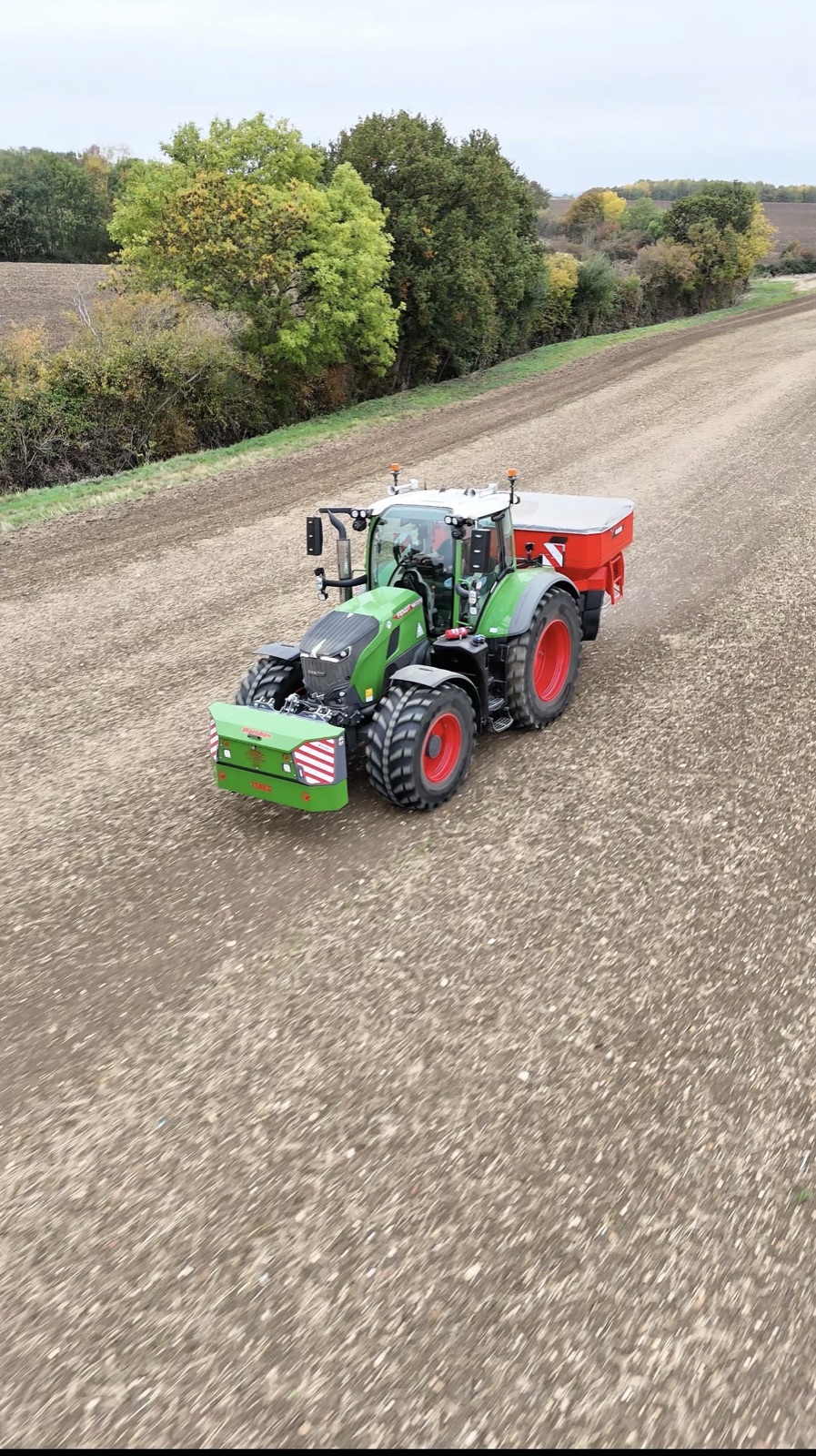
Bacteriosol pellets through a fertiliser spreader
Biological soil inoculant · Pellets

Bacteriosol

Goes straight through your fertiliser spreader. The living organisms establish, multiply and stay, building humus and unlocking the nutrients already in your ground.

Explore Bacteriosol
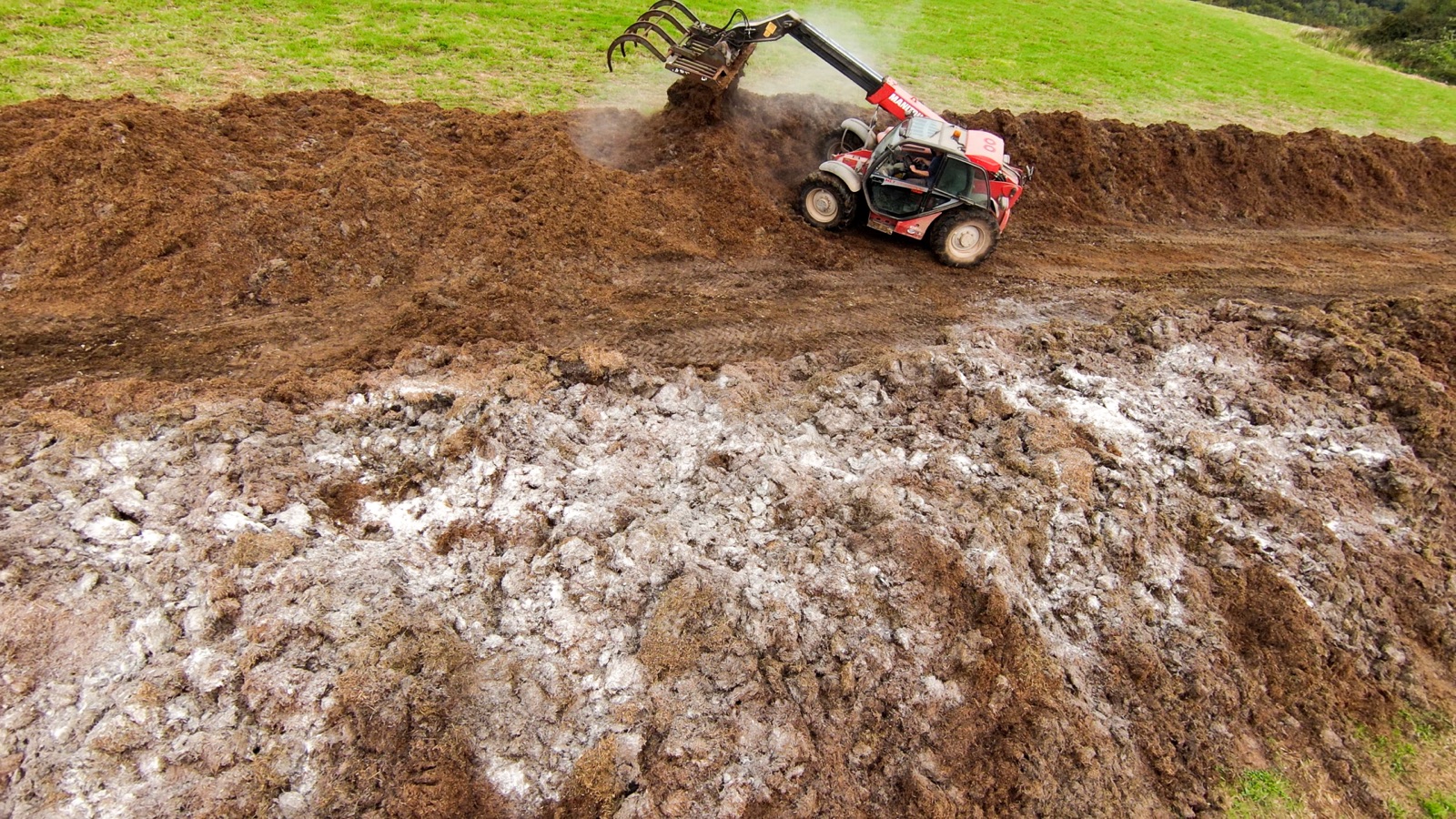
Bacteriolit on the manure heap
For manure, slurry and bedding · Powder

Bacteriolit

Composts manure, slurry, green waste and digestate into a richer, more stable soil enhancer: more nutrients per tonne, less crusting, less nitrogen lost.

Explore Bacteriolit
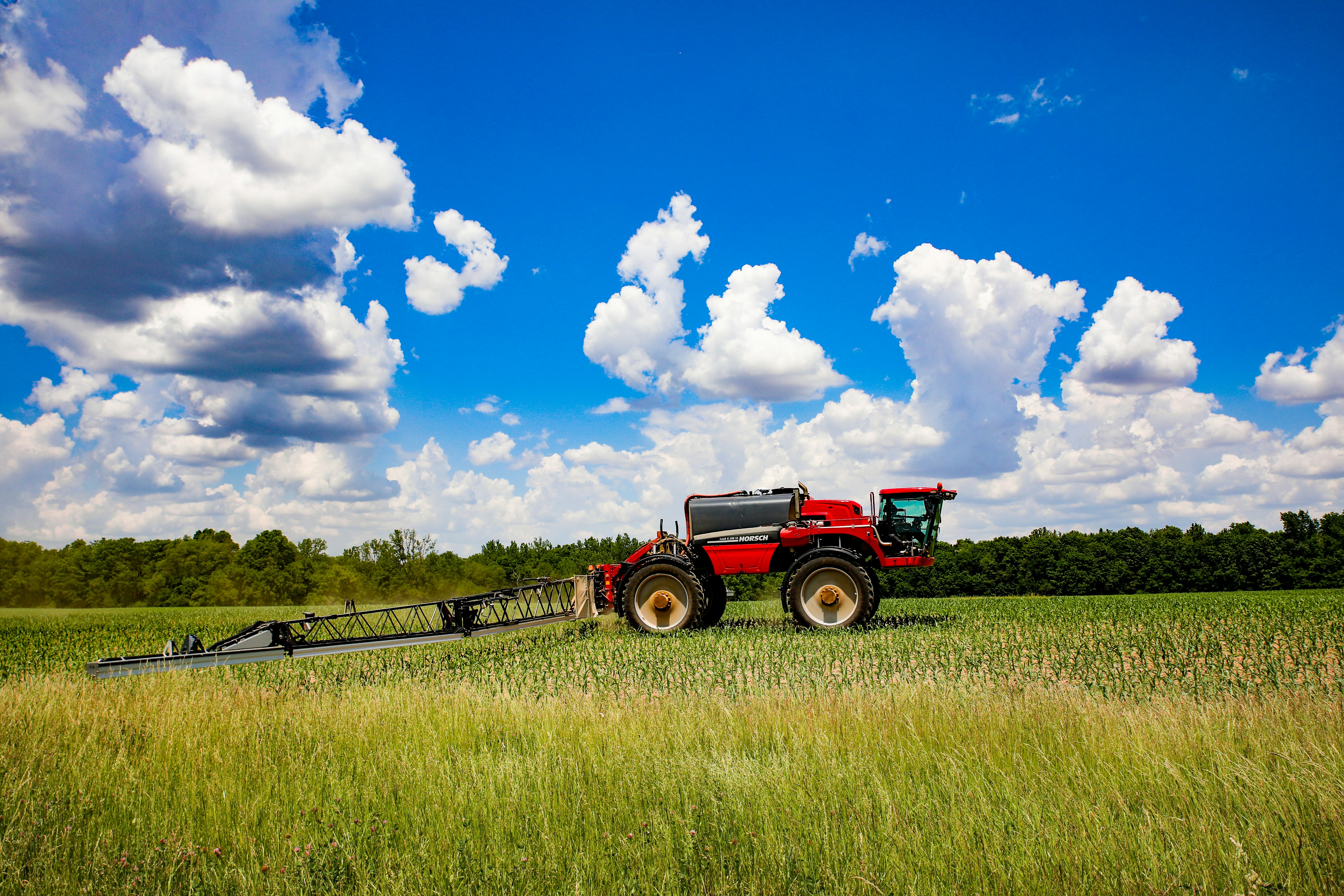
Quaterna Sol, the sprayable SOBAC inoculant
New · Sprayable soil inoculant

Quaterna Sol

The same living SOBAC biology as Bacteriosol, now sprayable. Build humus and unlock the nutrients already in your soil, applied through your own sprayer.

Explore Quaterna Sol
30+
Years of SOBAC research
300k+
Hectares proven
95 cm
Rooting depth read in a Warwickshire pit, from 35
6 of 6
Harvest comparisons in 2024 and 2025 where the treated fields cut more
A wheat crop on living soil
+1.5points of organic matter in 2.5 years, a farm’s own tests
Soil regeneration

Better results, year on year, not just one good season

SOBAC introduces 28,000 strains of micro-organisms, by DNA count, that break down organic matter, build humus and make nutrients available. The result is a balanced, thriving ecosystem under every acre.

  • Phosphate, potash and lime from the soil’s own reserve rather than the bag
  • Bought nitrogen stepped down year by year, against your own rate and your own soil tests
  • Visible change in months; the change in your own soil tests inside three years
The science of regeneration
Simple to adopt

From first spread to lasting change

Tell us about your land

We map your fields, read the soil under each one and size the order in whole bags around your acreage, your crops and how you will apply it. No guesswork.

Spread it with a standard fertiliser spreader

Bacteriosol loads into your own fertiliser spreader; Bacteriolit goes onto the manure, the slurry or the bedding; Quaterna Sol goes through the sprayer.

The biology gets to work

The organisms establish across three soil zones, autotrophic, humic and rhizospheric, unlocking minerals and building humus.

Step the inputs down

As the soil tests move, bought inputs, fuel and passes come down with them, year by year, protecting both margin and land.

Why biology beats more chemistry

Two ways to farm the next decade

Input-dependent farming

  • Rising spend on N, P, K and lime every year
  • Soil biology depleted, structure declining
  • Poor water retention, more drought stress
  • Exposed to every move in input prices

Regenerative with SOBAC

  • Bought nitrogen stepped down; phosphate, potash and lime from the soil’s own reserve
  • Living soil that recycles its own nutrients
  • Deeper roots, more water held, more resilience
  • Humus built, margins protected
From the field

“By cutting the nitrogen our yields did not drop, which was the big fear. The crop is utilising the nitrogen being created in the humus, exactly what we hoped.”

Stephen Abbott · La Lee Farm, Dorset · read the case study →

“We applied Bacteriosol to one of our worst arable fields. Once it kicked in, the results were incredible, that herbal ley carried over 100 head of sheep for six months. We nicknamed it the Turbo Field.”

Hugh Darbishire · Hill Farm, Warwickshire · read the case study →
See it for yourself

Open days, and a growing community

Regenerative farming is not a theory here, it is a growing community. Our open days bring over 100 farmers together to dig real soil pits, compare results and see the SOBAC system in the field.

Want to come to the next one, or arrange a visit to a farm near you?

Ask about open days
Open day · 100+ farmers

Find out what your land could do

Tell us about your farm and we will work out the right products and quantities for your acreage, and what you could save.

Enquire now